
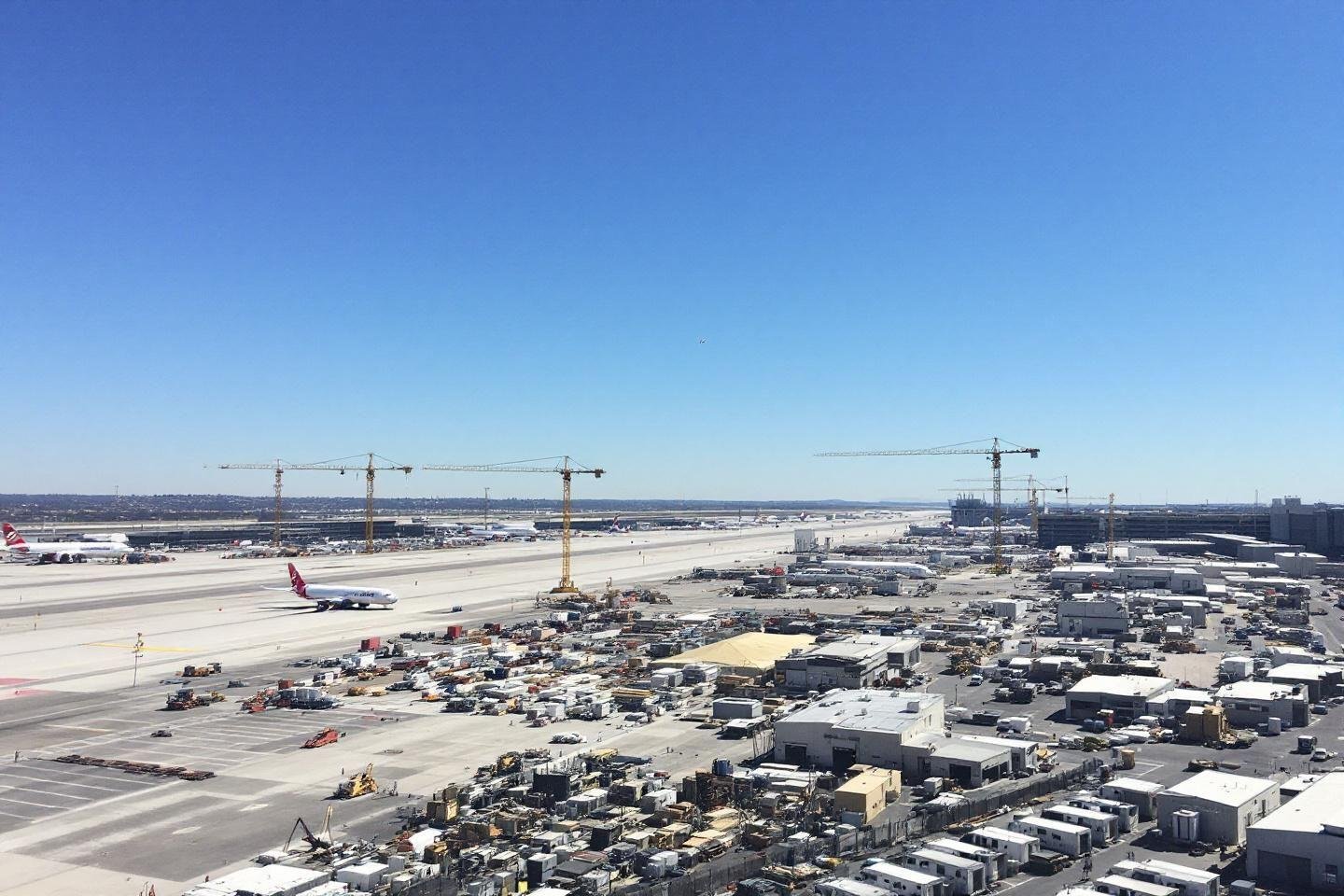
Saudi Arabia continues its ambitious transformation with an unprecedented infrastructure project that redefines urban planning and aviation connectivity. The Kingdom has unveiled plans for King Salman International Airport in Riyadh, a groundbreaking development that promises to reshape global air travel standards. This massive undertaking represents more than traditional airport construction, embodying a visionary approach to metropolitan development centered around aviation infrastructure.
An unprecedented aviation infrastructure spanning 57 square kilometers
The scale of this project defies conventional airport design parameters. King Salman International Airport will occupy an impressive 57 square kilometers, establishing itself as the world’s largest aviation facility once completed. This enormous footprint will accommodate six parallel runways, a configuration that enables simultaneous operations and unprecedented capacity. The airport’s design maximizes efficiency while preparing for exponential growth in passenger traffic over the coming decades.
Distinguished architect Norman Foster leads this architectural endeavor, bringing his renowned expertise to create a facility that balances functionality with sustainability. The project targets LEED Platinum certification, demonstrating Saudi Arabia’s commitment to environmentally responsible construction practices. This certification standard ensures the airport meets rigorous criteria for energy efficiency, water conservation, and reduced carbon emissions throughout its operational lifespan.
The ambitious timeline sets 2030 as the inaugural opening date, coinciding with Saudi Arabia’s broader economic transformation goals. Initial projections estimate the facility will handle 120 million passengers annually by that target year. By 2050, capacity expectations surge to 185 million passengers, positioning Riyadh as a dominant force in international aviation networks. These figures reflect Saudi Arabia’s strategic positioning as a critical connector between continents.
The aerotropolis concept revolutionizes urban development
Traditional airports function primarily as transportation nodes, but this project embraces the aerotropolis model, a progressive urban planning philosophy. An aerotropolis integrates aviation facilities with commercial districts, residential neighborhoods, and recreational spaces, creating a self-sustaining metropolitan ecosystem. This approach mirrors historical urban development patterns where ports and railway stations catalyzed surrounding economic growth during previous centuries.
Within the airport’s boundaries, approximately 12 square kilometers will be dedicated to residential and recreational zones. This integrated design allows businesses, residents, and travelers to coexist within a carefully planned environment. The model facilitates seamless connectivity between living spaces, workplaces, and transportation infrastructure, reducing commute times and enhancing quality of life for inhabitants and workers alike.
| Development Phase | Target Year | Passenger Capacity | Key Features |
|---|---|---|---|
| Initial Opening | 2030 | 120 million | Six runways operational, LEED certification |
| Full Expansion | 2050 | 185 million | Complete aerotropolis integration |
The aerotropolis framework serves multiple strategic objectives beyond aviation capacity. It positions Riyadh as an international business hub, attracting multinational corporations seeking proximity to efficient transportation networks. This clustering effect creates economic synergies, fostering innovation and commercial partnerships. The Saudi Arabian government envisions this development as instrumental in achieving its goal of ranking Riyadh among the world’s ten most economically significant cities.
Strategic objectives driving metropolitan transformation
Saudi Arabia’s mega-project portfolio demonstrates the Kingdom’s determination to diversify its economy and reduce dependence on hydrocarbon revenues. King Salman International Airport represents a cornerstone of this transformation strategy. By establishing world-class aviation infrastructure, the country aims to capture a larger share of global passenger and cargo traffic, generating substantial economic benefits beyond oil revenues.
Population projections underscore the urgency of this infrastructure investment. Riyadh’s population is expected to reach between 15 and 20 million inhabitants by 2030, creating enormous pressure on existing transportation systems. The new aviation complex will alleviate congestion while accommodating this demographic expansion. This forward-thinking approach ensures infrastructure development precedes demand rather than responding reactively to capacity constraints.
The project’s completion will establish several notable distinctions :
- Largest airport globally by total area, surpassing King Fahd International Airport
- First fully integrated aerotropolis in the Middle East region
- Highest passenger capacity facility designed with sustainability certification
- Most extensive parallel runway configuration for maximum operational flexibility
Implications for global aviation connectivity patterns
This development positions Saudi Arabia strategically within international aviation corridors. The Kingdom’s geographic location between Asia, Europe, and Africa offers natural advantages for connecting passengers and cargo across continents. Enhanced capacity at Riyadh enables the country to compete directly with established regional hubs in Dubai, Doha, and Istanbul for transfer traffic.
Beyond passenger services, the facility’s massive footprint accommodates significant cargo operations. Air freight logistics represent a growing segment of global trade, and modern airports increasingly incorporate dedicated cargo zones. The aerotropolis model facilitates efficient distribution networks, connecting aviation cargo terminals directly with warehousing, manufacturing, and logistics facilities within the same development.
The project reflects broader trends in airport development worldwide, where facilities evolve from simple transportation nodes into multifunctional urban centers. This transformation acknowledges that modern airports generate economic value through retail, hospitality, business services, and real estate development. King Salman International Airport embraces this evolution comprehensively, creating an integrated ecosystem designed for sustained economic growth.