
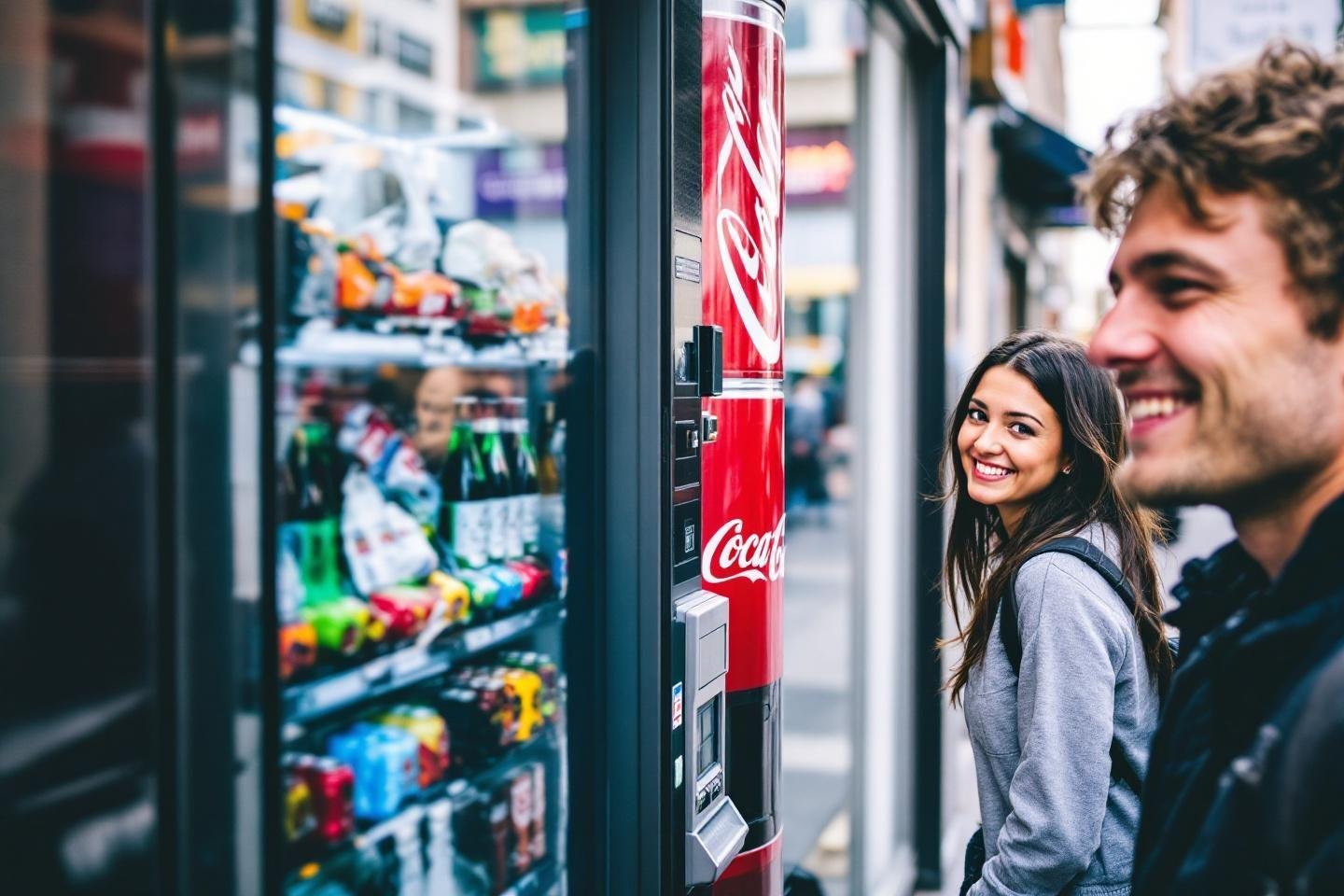
The environmental landscape is witnessing a remarkable transformation with innovative recycling solutions that merge ecological responsibility with financial rewards. Universities across Scotland are pioneering deposit return schemes through advanced technology that compensates users for their commitment to sustainable waste management. These initiatives demonstrate how monetary incentives can dramatically reshape consumer behavior while addressing critical environmental challenges facing our planet.
How financial rewards revolutionize waste management behaviors
New College Lanarkshire has emerged as a pioneer in implementing reverse vending technology that fundamentally alters student engagement with recycling. Through collaboration between Keep Scotland Beautiful and Coca-Cola, this Scottish institution operates machines that dispense 20 pence credits for each aluminum can or plastic bottle deposited. Students immediately convert these credits into purchasing power at campus dining facilities, creating tangible economic value from environmental actions.
The four-week experimental period generates invaluable insights into behavioral patterns surrounding sustainable practices. Joe Padwick from Coca-Cola highlights how this program reveals practical obstacles preventing widespread recycling adoption. These automated collection systems encourage immediate action rather than conventional disposal methods, substantially improving campus sustainability metrics through instant gratification mechanisms.
Statistical evidence from international markets demonstrates compelling correlations between financial incentive structures and recycling performance. Research conducted by Ball Packaging and Eunomia reveals that nine among ten American states achieving highest recycling rates implement deposit systems. Conversely, regions without economic motivation consistently rank among poorest performers, illustrating the profound influence of monetary rewards on environmental responsibility.
| Region category | Average recycling performance | Deposit system status |
|---|---|---|
| Top-performing US states | 85-92% | Implemented |
| Bottom-performing US states | 15-25% | Absent |
| European average | 65-75% | Variable implementation |
European nations with established deposit return programs consistently outperform those relying exclusively on traditional collection infrastructure. The economic motivation model proves particularly effective for materials requiring substantial production and transportation resources. These systems create immediate connections between individual actions and environmental outcomes, transforming recycling from abstract obligation into concrete opportunity.
Corporate accountability and environmental authenticity challenges
Coca-Cola’s participation in reverse vending initiatives reflects broader trends toward corporate environmental responsibility. The beverage giant faces persistent criticism regarding massive water consumption at manufacturing facilities and extensive plastic packaging utilization. These innovative machines represent attempts to address environmental concerns through actionable recycling solutions rather than superficial marketing campaigns.
Recent controversy during the Paris 2024 Olympics exposed potential contradictions in corporate sustainability messaging. The company promoted reusable cups while simultaneously discarding plastic bottles immediately after filling them, highlighting complexities in environmental authenticity. Such incidents underscore the importance of measurable results versus performative environmental claims.
The university pilot program offers Coca-Cola opportunities to demonstrate genuine commitment through verifiable outcomes. Success in educational settings could justify broader implementation across diverse locations and demographics. Modern consumers increasingly demand substantive environmental action rather than superficial greenwashing attempts, making authentic programs essential for corporate credibility.
Comprehensive sustainability approaches extend beyond recycling to encompass multiple environmental challenges. Understanding interconnected issues creates synergistic benefits for ecosystem health while building public trust in corporate environmental initiatives. These automated deposit systems represent one component of broader strategies addressing industrial waste, resource consumption, and climate change mitigation.
French recycling progress demonstrates implementation potential
France showcases significant advancement in waste sorting and recycling infrastructure. Citizens sorted an average of 72 kilograms per person during 2023, according to Citeo statistics. This improvement stems from simplified sorting processes reaching 98% of the population, making sustainable waste management more accessible and convenient for ordinary consumers.
Plastic packaging recycling demonstrated particularly impressive growth, increasing by 15% throughout 2023. This surge reflects enhanced infrastructure combined with elevated public awareness regarding environmental responsibilities. Understanding proper disposal methods supports comprehensive waste management education that empowers individuals to make informed environmental choices.
Several critical factors contribute to successful recycling program implementation :
- Immediate financial incentives providing tangible value for participation
- Convenient access to recycling facilities and collection infrastructure
- Clear educational resources about proper sorting techniques
- Corporate partnerships supporting infrastructure development
- Government policies encouraging sustainable consumer practices
Reverse vending machines could substantially enhance French recycling rates by combining convenience with economic rewards. The university pilot program provides valuable insights for potential nationwide implementation strategies. Students represent ideal participants due to environmental awareness and willingness to adopt emerging technologies.
Future expansion depends on measurable outcomes and sustained commitment
Widespread adoption of automated recycling technology hinges on pilot program results and genuine corporate dedication to sustainable practices. These innovative devices could transform recycling from burdensome obligation into rewarding opportunity, creating positive associations with environmental stewardship. The simple operational principle—insert empty containers, receive immediate compensation—eliminates friction points that traditionally discourage participation.
Future implementation strategies must consider diverse demographic needs and regional infrastructure variations. Success in controlled university environments provides foundation for broader deployment, yet scaling requires addressing logistical challenges and maintaining financial sustainability. Public-private partnerships combining corporate resources with government support may prove essential for widespread adoption.
The revolution in waste management technology represents more than mechanical innovation. These systems embody fundamental shifts in how societies approach environmental responsibility, moving from abstract concepts toward tangible economic relationships with sustainability. As these machines potentially become integrated into everyday life, they promise to reshape consumer consciousness around waste, resources, and ecological impact through immediate, personalized feedback mechanisms that reward responsible behavior.